
Diabetic Foot Treatment & Amputation Prevention in Amman, Jordan
Diabetes is one of the leading causes of lower limb amputation worldwide — but the majority of amputations are preventable with early vascular intervention. At Jordan Vascular Centre in Amman, Dr. Omar Hamdallah provides specialist diabetic foot treatment combining advanced wound care, circulation restoration, and surgical expertise to save limbs and restore quality of life.
Why Diabetic Patients Face Serious Foot Risks
Diabetes damages the body in two ways that directly threaten foot health.
First, peripheral neuropathy gradually destroys the nerve fibres in the feet, causing loss of sensation — meaning injuries go unnoticed.
Second, peripheral arterial disease (PAD) narrows the blood vessels supplying the feet, reducing the circulation needed to heal even minor wounds. Together, these two conditions turn a small blister or cut into a non-healing ulcer that can become deeply infected within days.
In Jordan, where diabetes affects approximately 1 in 4 adults, the need for specialist vascular care for diabetic foot complications is critical and growing.
Warning Signs That Require Urgent Vascular Assessment
Do not wait for a scheduled appointment if you notice any of the following:
A wound, ulcer, or sore on the foot that has not healed within 2 weeks
Blackening or darkening of the toes or skin (a sign of tissue death)
Increasing pain, warmth, or redness around a wound
Swelling or pus indicating active infection
Sudden coldness or paleness in the foot
Loss of feeling in the foot or toes
Early assessment is the single most important factor in avoiding amputation. Contact our clinic immediately if you experience any of these symptoms.
How We Diagnose Diabetic Foot Problems
Every patient at Jordan Vascular Centre receives a thorough vascular assessment before any treatment plan is formed:
Vascular Doppler Ultrasound — maps blood flow through the arteries of the leg and foot to identify blockages or narrowing causing poor circulation.
Ankle-Brachial Index (ABI) — a non-invasive pressure measurement that screens for peripheral arterial disease quickly and accurately.
Neuropathy Testing — assesses the degree of nerve damage to understand your sensation loss and infection risk.
Wound Assessment & Culture — determines the depth, severity, and bacterial profile of any active ulcer or infection, guiding antibiotic selection.
CT Angiography (when indicated) — provides a detailed roadmap of the arterial system for patients requiring revascularisation surgery.
Daily Diabetic Foot Care — What You Should Do at Home
Preventing problems from developing is always better than treating them. If you have diabetes, follow these steps every day:
- Inspect both feet carefully each morning — use a mirror for the sole if needed
- Wash feet in warm (not hot) water and dry thoroughly, especially between the toes
- Moisturise dry skin but keep cream away from between the toes
- Cut toenails straight across — never down the sides
- Wear well-fitting, protective footwear at all times, including indoors
- Never walk barefoot — even on carpeted floors
- Report any new wound, blister, or colour change to your doctor immediately
Diabetic Foot Treatment & Amputation Prevention in Amman:
1. Advanced Wound Care & Ulcer Management
Chronic diabetic ulcers require far more than a simple dressing. Our team uses specialist wound care protocols including debridement (removal of dead tissue), advanced dressings that promote healing, and infection control with targeted antibiotics to create the optimal environment for wound closure.
2. Revascularisation — Restoring Blood Flow to Save the Foot
This is the critical vascular component that general clinics cannot provide. When poor circulation is preventing wound healing, Dr. Hamdallah performs:
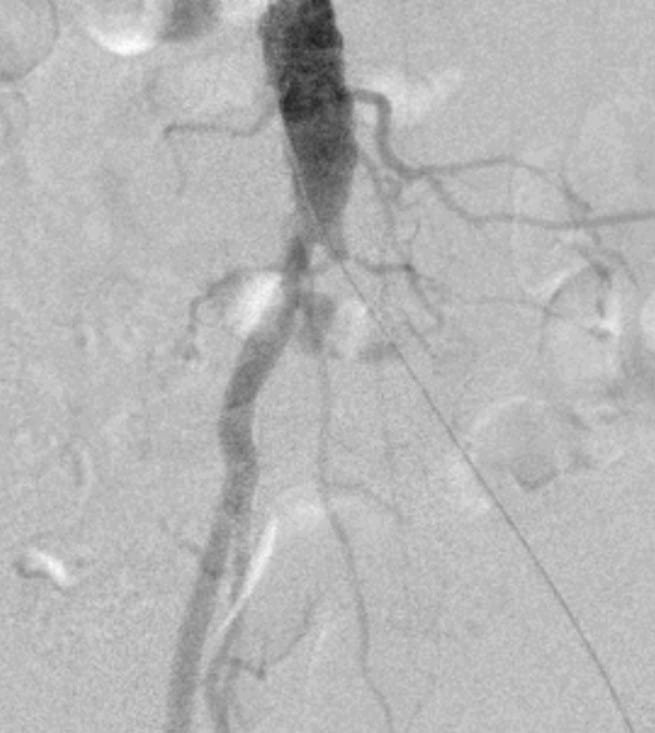
Angioplasty & Stenting — a minimally invasive procedure where a balloon catheter opens the blocked artery from inside, restoring blood flow without major surgery. A stent may be placed to keep the artery open long-term.
Bypass Surgery — for patients with extensive arterial blockages, a surgical bypass routes blood around the blocked segment using a vein or synthetic graft, delivering fresh circulation to the foot.
3. Surgical Debridement & Reconstruction
In cases of deep infection involving bone or tendon (osteomyelitis), surgical debridement removes all infected tissue to halt the spread of infection. Where possible, reconstructive techniques preserve foot function and structure.
4. Amputation Prevention & Limb Salvage
Our core commitment is to exhaust every possible option before considering amputation. When limited amputation of a toe or forefoot becomes unavoidable to save the rest of the limb, Dr. Hamdallah performs this with meticulous technique to maximize functional recovery and mobility.

Why Choose Dr. Omar Hamdallah for Diabetic Foot Care?
Dr. Hamdallah is a specialist vascular surgeon with dedicated expertise in limb salvage and diabetic foot complications. Unlike general surgeons or podiatrists, a vascular surgeon addresses the root cause of most diabetic foot failure — blocked arteries — with the full range of open and endovascular techniques. Patients are referred to our clinic from across Jordan and the wider region, including referrals from nephrologists managing diabetic kidney disease alongside foot complications.
Our approach is multidisciplinary: we coordinate closely with endocrinologists, infectious disease specialists, and rehabilitation teams to ensure the best possible outcome for each patient.
Frequently Asked Questions — Diabetic Foot
Can a diabetic foot ulcer be fully healed?
Yes — with prompt vascular assessment and proper wound management, the majority of diabetic foot ulcers can be healed completely, especially when blood flow is restored early in the process.
How long does it take for a diabetic foot ulcer to heal?
Healing time depends on ulcer depth, infection status, and circulation. With good blood flow and active treatment, many ulcers heal within 6–12 weeks. Severely ischemic or infected wounds take longer and require revascularization first.
Is angioplasty for the foot a major operation?
No. Peripheral angioplasty is a minimally invasive procedure performed through a small puncture in the groin or wrist, usually under local anesthesia. Most patients go home the same day or after one night.
My doctor mentioned amputation — is there still hope?
In many cases, yes. A vascular surgical opinion should always be sought before proceeding with major amputation. Revascularization can sometimes transform a seemingly unsalvageable limb into a healable one.
Do you work with diabetic patients who also have kidney disease?
Yes. Dr. Hamdallah has particular expertise in patients with combined diabetic complications, including those on dialysis, and coordinates care with nephrology teams across Amman.
GET IN TOUCH